 06 47 6867 72

Zoekfilters
Studieboeken (24)
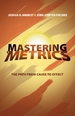
Mastering 'Metrics
The Path from Cause to Effect
2014 || Paperback || Joshua D.Angrist e.a. || Princeton University Press
Applied econometrics, known to aficionados as 'metrics, is the original data science. 'Metrics encompasses the statistical methods economists use to untangle cause and effect in human affairs. Through accessible discussion and with a dose of kung fu-themed humor, Mastering 'Metrics presents the essential tools of econometric research and demonstrates why econometrics is exciting and useful.
The five most valuable econometric methods, or what the authors call the Furious Five--random assignmen...
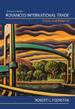
Advanced International Trade / 2nd edition
Theory and Evidence
2015 || Hardcover || Robert C. Feenstra || Princeton University Press
rade is a cornerstone concept in economics worldwide. This updated second edition of the essential graduate textbook in international trade brings readers to the forefront of knowledge in the field and prepares students to undertake their own research. In Advanced International Trade, Robert Feenstra integrates the most current theoretical approaches with empirical evidence, and these materials are supplemented in each chapter by theoretical and empirical exercises.
Feenstra explores a wealth...
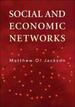
Social and Economic Networks / 1st edition
2010 || Paperback || Matthew O. Jackson || Princeton University Press
Networks of relationships help determine the careers that people choose, the jobs they obtain, the products they buy, and how they vote. The many aspects of our lives that are governed by social networks make it critical to understand how they impact behavior, which network structures are likely to emerge in a society, and why we organize ourselves as we do. In Social and Economic Networks, Matthew Jackson offers a comprehensive introduction to social and economic networks, drawing on the lat...
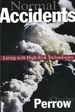
Normal Accidents / Updated edition
Living with High Risk Technologies
1999 || Paperback || Charles Perrow || Princeton University Press
Normal Accidents analyzes the social side of technological risk. Charles Perrow argues that the conventional engineering approach to ensuring safety--building in more warnings and safeguards--fails because systems complexity makes failures inevitable. He asserts that typical precautions, by adding to complexity, may help create new categories of accidents.
(At Chernobyl, tests of a new safety system helped produce the meltdown and subsequent fire.) By recognizing two dimensions of risk--compl...

