 06 47 6867 72
Gratis verzending vanaf € 20,-

Nederlands
English
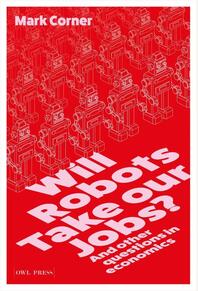

Why do diamonds cost more than water despite being a lot less useful? Why queue at holes in the wall for pieces of paper and then hand them over for things we really need? Why can’t economists predict recessions, even though they think of themselves as scientists? If AI is taking over, does that mean we should get rid of lawyers, accountants and teachers, and instead train students to mend taps?
Why do farmers fear a bumper harvest? Why do governments that spend less end up owing more? Why does a campaign to save money end up reducing the level of savings? Why are many economics courses giving up economic history and wrapping themselves in a comfort blanket of mathematical equations?
What is economics about? Why do we need it? Would we be better off without it? This book can’t answer all the questions raised by this most fascinating of subjects, but it can explore some of them.


