 06 47 6867 72
Gratis verzending vanaf € 20,-

Nederlands
English
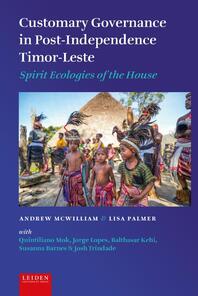

This book examines the dynamics of a 'return to custom’ in post-independence Timor-Leste; a set of practices connecting ancestral house communities with the complex spirit ecologies upon which people's livelihoods and well-being depend. Drawing on detailed comparative studies, it considers the contribution of custom and its inter-generational legacies to the development of sustainable social and environmental policies of governance in Southeast Asia’s newest nation-state. The book is both a timely study of social renewal in post-conflict societies, and a creative contribution to the possibilities of sustainable environmental and cultural resource management in Timor-Leste and the wider region.


